



Introduction
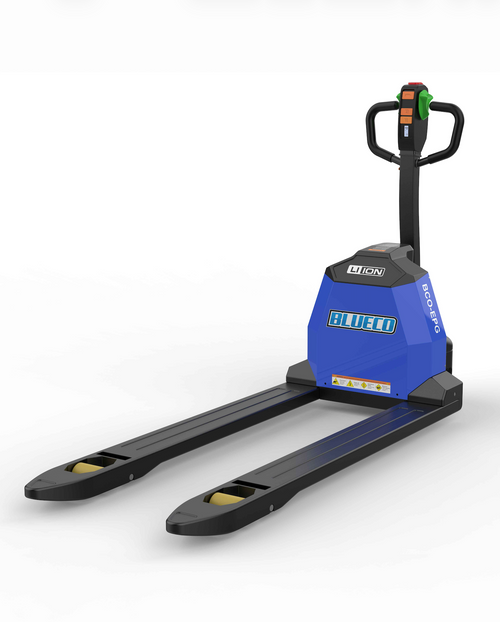
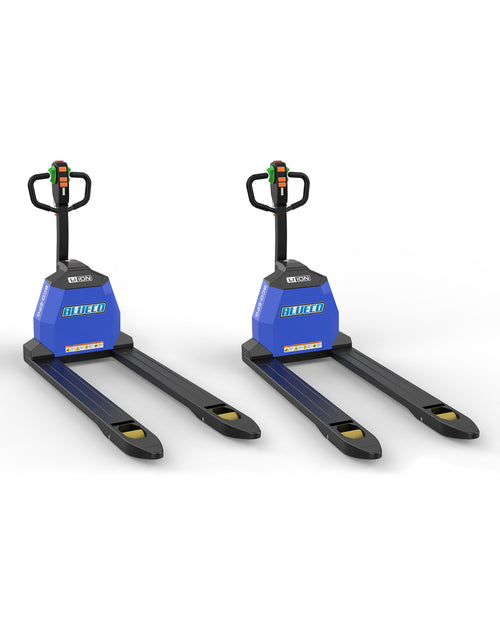
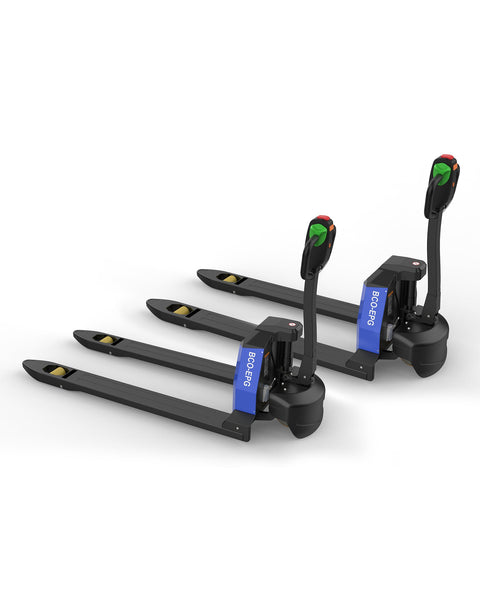
In today’s fast-moving warehousing and logistics world, equipment versatility is essential. One feature often overlooked but critically important is the low-profile fork design on electric pallet jacks. Whether you’re working in a distribution center, retail backroom, or manufacturing environment, low-profile forks can dramatically improve productivity, access, and safety.
This article breaks down why low-profile forks matter, how they work, and what advantages they offer your operation.
What Are Low-Profile Forks on an Electric Pallet Jack?
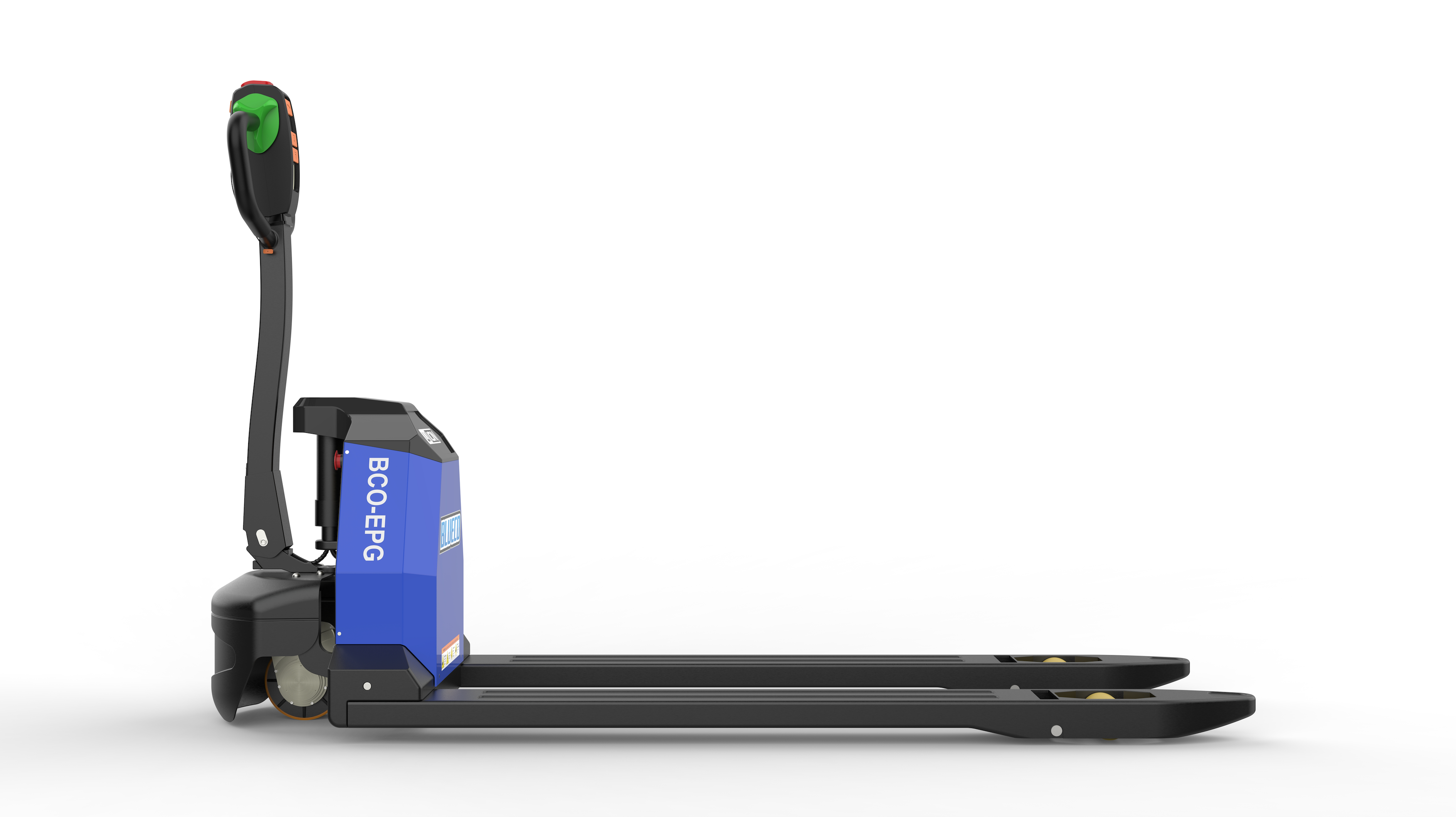
Low-profile forks are thinner, lower-entry forks designed to slide under pallets or skids with minimal clearance.
Typical pallet jacks require a certain minimum pallet height, but low-profile forks can engage:
-
Damaged pallets
-
Low-clearance pallets
-
Euro pallets, CHEP pallets, and custom skids
-
Specialized packaging used in food, beverage, or retail operations
Standard forks often measure around 3.5 inches to 4 inches tall.
Low-profile forks can measure as little as 2.9 inches (or even less), making them perfect for tight spaces and unique loads.
Why Low-Profile Forks Are Important
1. They Handle Low-Clearance and Damaged Pallets
In many warehouses, pallets don’t always meet standard spec.
Low-profile forks allow operators to lift:
-
Crushed pallets
-
Low-entry packaging
-
Custom skids with minimal wood or plastic beneath the load
Without low-profile forks, workers may struggle to enter these pallets or be forced to switch to manual equipment slowing productivity.
2. Increased Operational Flexibility
Low-profile forks make equipment more adaptable.
Instead of needing multiple jacks for different pallet types, your electric pallet jack can handle almost anything.
This means:
-
Fewer equipment limitations
-
Faster transitions between tasks
-
More efficient handling across mixed inventory environments
In businesses where packaging changes regularly retail, food service, fulfillment centers this versatility is invaluable.
3. Reduced Damage to Products and Pallets
A common issue with standard forks is fork drag when forks catch on the pallet’s bottom deck board or scrape the load.
Low-profile forks reduce the risk of:
-
Splintered or cracked pallets
-
Damaged merchandise
-
Tipped loads
-
Operator strain from repeated adjustments
By sliding smoothly under the pallet, they protect both the product and the pallet structure.
4. Faster Loading and Unloading
Low-profile forks require less maneuvering and less precision to enter a pallet successfully.
This improves:
-
Loading speed on trucks and docks
-
Order picking efficiency
-
Turn-around time for drivers and warehouse teams
In high volume operations, these seconds add up to massive time savings.
5. Improved Safety for Operators
Forcing heavy equipment under a pallet that’s too low is a major cause of:
-
Back strain
-
Wrist and shoulder injuries
-
Load instability
-
Unexpected pallet collapse
Low-profile forks eliminate the need for risky maneuvers, supporting a safer, smoother workflow.
6. Compatibility With Specialty Pallets
Some industries rely on unique pallet sizes or minimal-profile packaging.
Low-profile forks are the best choice for:
-
Beverage pallets
-
Produce crates
-
Euro-style pallets
-
Custom factory skids
-
Plastic pallets with thin decks
-
Single-use pallets in retail
They enable access to nearly all pallet formats without switching tools.
7. Better Performance in Tight Spaces
Electric pallet jacks with low-profile forks excel in environments where space is limited, including:
-
Narrow aisles
-
Trailers with uneven flooring
-
Retail backrooms
-
Small production lines
Being able to easily enter low or irregular pallets improves overall material flow.
Industries That Benefit Most From Low-Profile Forks
Retail & Grocery
Thin, disposable pallets and mixed load sizes are common.
E-commerce & Fulfillment
Rapid picking and mixed packaging require flexible equipment.
Manufacturing
Custom skids, partial pallets, and in-process carts all benefit from low-clearance entry.
Food & Beverage
Lightweight or crushed pallets are a constant challenge in beverage distribution and food processing.
Key Takeaway
Low-profile forks on electric pallet jacks are not just a convenience they’re an essential feature for modern warehouses. They:
-
Increase productivity
-
Improve safety
-
Reduce product damage
-
Support a wider range of pallet types
-
Keep operations flexible and efficient
If your facility handles mixed pallets, damaged pallets, or low-profile loads, upgrading to an electric pallet jack with low-profile forks can significantly boost operational performance.
Share:
Material Handling
How Electric Pallet Jacks Affect the Efficiency of LTL Services