



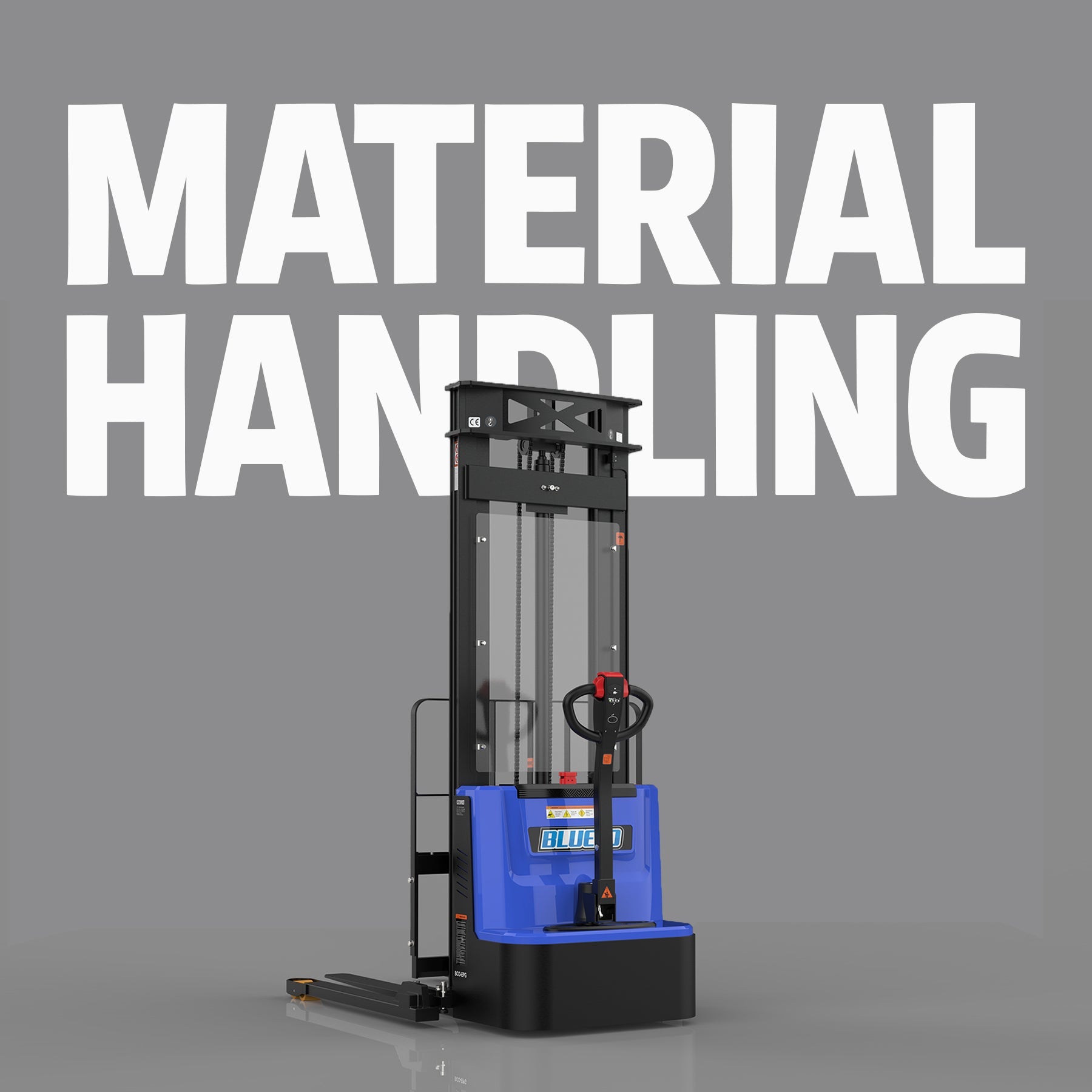
What Is Material Handling?
Material handling refers to the movement, protection, storage, and control of materials throughout manufacturing, warehousing, distribution, and disposal. It includes everything from simple manual lifting to advanced automated solutions such as conveyors, robotics, and warehouse management systems (WMS).
Effective material handling ensures that products move efficiently through the supply chain while minimizing damage, labor costs, and downtime.
Why Material Handling Matters
Material handling plays a crucial role in:
1. Productivity
Efficient systems reduce travel time, eliminate bottlenecks, and streamline workflows.
2. Safety
Proper equipment and procedures prevent workplace injuries related to lifting, carrying, or repetitive motion.
3. Cost Reduction
Optimized material flow reduces labor, storage, transportation, and operational expenses.
4. Quality Control
Controlled handling minimizes product damage, contamination, or misplacement.
5. Supply Chain Efficiency
Improved accuracy and speed enhance order fulfillment and customer satisfaction.
Types of Material Handling
Material handling falls into four main categories:
1. Manual Material Handling
Involves human labor—lifting, pushing, pulling, or carrying items.
Examples:
-
Hand carts
-
Dollies
-
Basic lifting tasks
2. Mechanical Material Handling
Uses equipment to move heavier loads and reduce manual effort.
Examples:
-
Forklifts
-
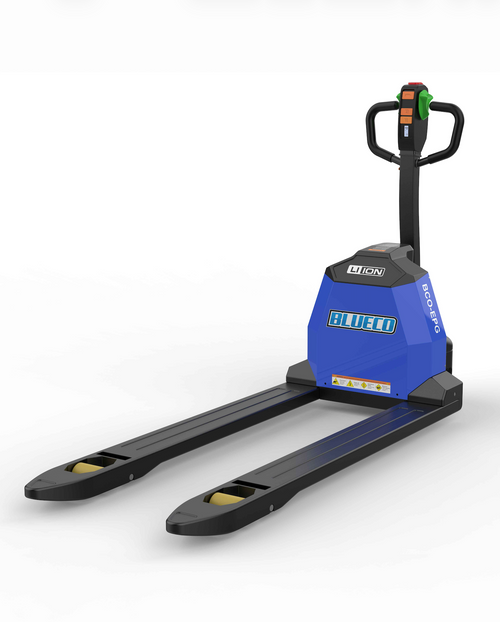
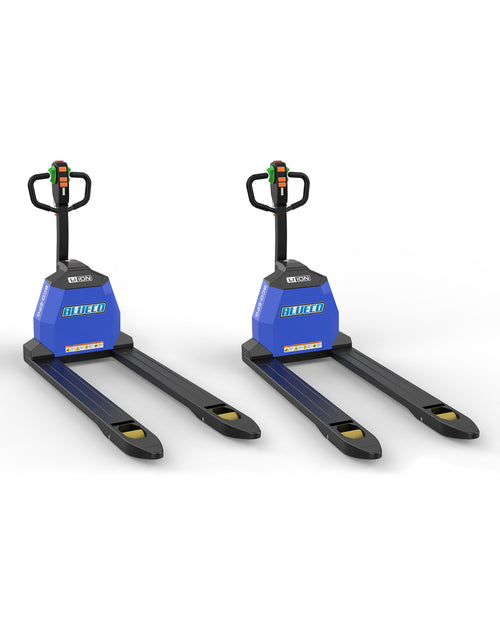
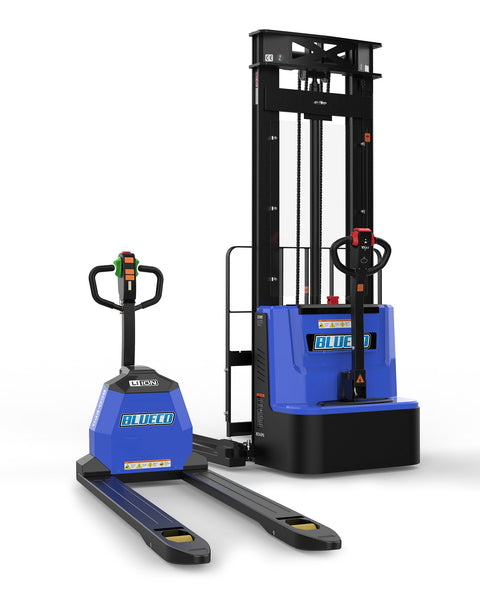
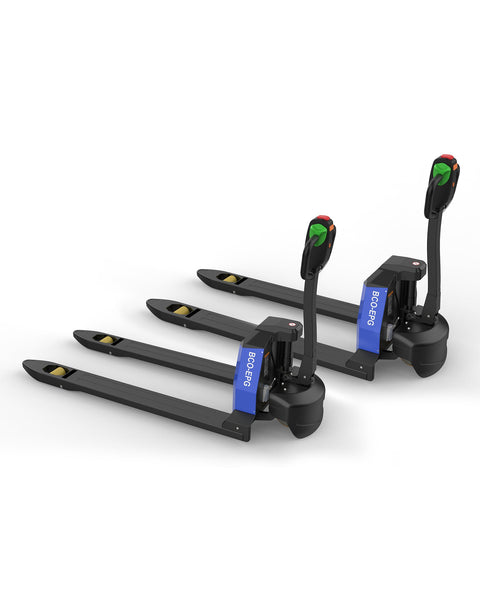
Pallet jacks
-
Cranes
-
Hoists
3. Automated Material Handling Systems (AMHS)
Technology-driven systems that move materials with minimal human intervention.
Examples:
-
Automated storage and retrieval systems (AS/RS)
-
Conveyors
-
AGVs (Automated Guided Vehicles)
-
AMRs (Autonomous Mobile Robots)
4. Bulk Material Handling
Used for loose, free-flowing materials such as gravel, grains, or chemicals.
Examples:
-
Silos
-
Hoppers
-
Belt conveyors
-
Bucket elevators
Essential Material Handling Equipment
A well-structured handling system often uses a combination of the following:
| Category | Examples | Purpose |
|---|---|---|
| Storage Equipment | Racks, shelving, bins | Organize and store items safely |
| Transport Equipment | Forklifts, conveyors | Move materials efficiently |
| Engineered Systems | Robotics, AS/RS | Automate high-volume tasks |
| Bulk Handling Equipment | Conveyor belts, hoppers | Handle large quantities of materials |
Material Handling in Different Industries
Manufacturing
Ensures raw materials and finished goods move smoothly from station to station.
Warehousing & Distribution
Improves picking accuracy, reduces order processing time, and organizes inventory flow.
Construction
Facilitates movement of heavy materials like cement, steel, and lumber.
Agriculture
Manages grain, feed, and bulk materials efficiently.
Benefits of an Effective Material Handling System
-
Lower operational costs
-
Improved workplace safety
-
Faster production and delivery times
-
Higher accuracy in inventory control
-
Reduced waste and product damage
-
Better use of warehouse space
How to Optimize Material Handling: Best Practices
1. Use the Right Equipment
Match equipment to the load, distance, and frequency of movement.
2. Implement Automation
Robotics and WMS software improve speed, accuracy, and tracking.
3. Train Employees
Proper equipment use and safe handling procedures reduce risks.
4. Design Efficient Layouts
Short, direct travel paths boost productivity.
5. Apply Lean Principles
Eliminate unnecessary motion, waiting, and over-handling.
6. Regular Maintenance
Well-maintained equipment operates safely and efficiently.
Future Trends in Material Handling (2025 & Beyond)
-
Growth of AI-powered robotics
-
Increased use of digital twins for warehouse simulation
-
Expansion of IoT sensors for real-time visibility
-
Broader integration of autonomous vehicles in factories and warehouses
-
Rise of green material handling solutions to reduce carbon footprints
Conclusion
Material handling is the backbone of efficient operations across manufacturing, warehousing, logistics, and construction. With the right mix of equipment, automation, training, and layout optimization, businesses can significantly improve productivity, reduce costs, and enhance workplace safety.
Share:
How Evaporative Coolers Work: A Complete Guide
Why Low-Profile Forks on an Electric Pallet Jack Are Important