




Using HVLS Fans for Heat by Not Reversing Them Is a Benefit to Warm Up a Space
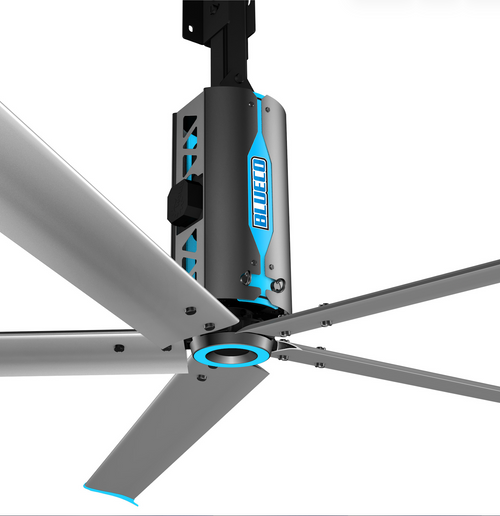
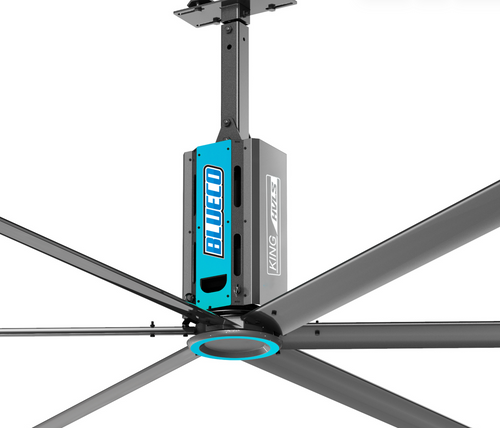
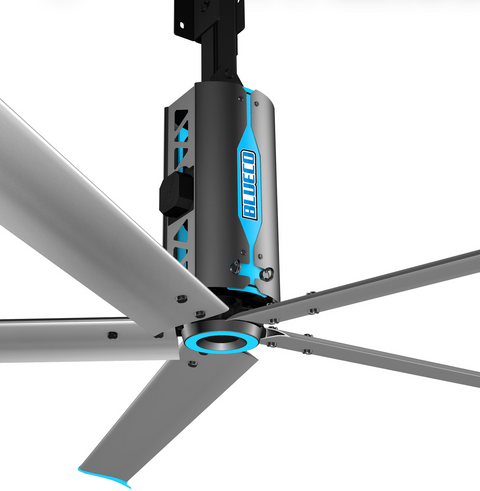
When most people think of large industrial ceiling fans, they immediately imagine cooling. But High-Volume, Low-Speed (HVLS) fans are just as useful sometimes even more useful in the winter. What many facility owners don’t realize is that you shouldn’t reverse HVLS fans during colder months. In fact, keeping them in their normal forward direction helps warm large spaces more effectively and efficiently.
In this article, we’ll break down why not reversing HVLS fans is actually a major advantage, how it improves heating performance, and why it can lower energy costs in warehouses, gyms, manufacturing spaces, barns, and commercial buildings.
What Happens When Heat Stratification Takes Over
In large buildings with tall ceilings, warm air naturally rises. This creates a temperature imbalance known as stratification, where:
-
Warm air collects near the ceiling
-
Cooler air stays trapped closer to the floor
-
HVAC systems run harder to maintain comfort
The result? Uneven temperatures, cold workers, and higher heating expenses.
This is where HVLS fans shine without needing to reverse them.
Why You Should NOT Reverse HVLS Fans in Winter
Most traditional ceiling fans encourage reversing the direction in winter so the blades pull air upward. But HVLS fans are engineered differently. Here’s why not reversing them is the better choice:
1. HVLS Fans Are Designed for Gentle, Column-Style Airflow
Unlike small residential fans, HVLS fans move massive volumes of air in a controlled, slow-moving column. In forward direction, they push air down to the floor, where it spreads outward and rises naturally along walls, creating a full-room circulation loop.
Reversing disrupts this engineered airflow.
2. Forward Direction Breaks Up Heat Stratification More Efficiently
By pushing air downward, HVLS fans blend warm ceiling air with cooler floor-level air, eliminating stratification. This process is called destratification.
The benefit?
-
Warmer temperatures at human height
-
Even temperature distribution from floor to ceiling
-
Improved comfort without hot and cold pockets
3. Reversing Can Cause Drafts and Lower Comfort
When reversed, an HVLS fan may pull air upward too fast, causing turbulence and cold drafts exactly what you don’t want in winter.
4. Forward Direction Helps HVAC Work Less
By destratifying the air, your heating system doesn’t have to constantly fight temperature layers. That means:
-
Fewer heating cycles
-
Faster time-to-temp improvements
-
Lower utility bills
Most buildings see 20–30% heating cost savings by running HVLS fans forward in winter.
How HVLS Fans Warm a Space Without Adding Heat
HVLS fans don’t generate heat they simply move heat where you need it.
Here’s what happens in winter when the fans run forward:
-
Fan pushes air gently down
-
Air spreads outward across the floor
-
Warm ceiling air is pulled down to replace the air that moved outward
-
Temperatures equalize throughout the space
This destratification process can raise floor-level temperatures by 5–15°F, depending on building size.
Best Practices for Using HVLS Fans for Heat in Winter
To maximize warming benefits:
-
Keep fans in normal forward mode
-
Run at low to medium speed (too high creates wind chill)
-
Operate continually during occupancy
-
Use automated temperature controls if available
HVLS fans work especially well in:
-
Warehouses & distribution centers
-
Airplane hangars
-
Manufacturing facilities
-
Retail or grocery stores
-
Athletic centers & gyms
-
Agricultural buildings
Energy Savings: Why Forward Mode Is More Cost-Effective
Heating large facilities is expensive. But by eliminating stratification, HVLS fans help your HVAC system maintain a stable temperature with much less effort.
Typical results include:
-
20–30% lower heating costs
-
Fewer HVAC cycles and reduced wear
-
More consistent thermostat readings
-
Faster warm-up times after overnight setback
Instead of fighting heat layers, your HVAC operates in harmony with the fan system.
Conclusion: HVLS Fans Warm Spaces Best When You Do NOT Reverse Them
Although reversing ceiling fans is a common winter tip for homes, HVLS fans are the exception. Keeping them in forward direction offers:
-
Superior destratification
-
Better comfort
-
More even temperatures
-
Lower energy bills
If your goal is to warm up a large space, using HVLS fans without reversing them is not just a benefit it’s the most efficient method available.
Share:
Why Low Profile Forks Benefit Pallet Jacks (and Your Warehouse Efficiency)
The Essential Guide to Pallet Jacks: Benefits, Uses, and Productivity Gains